Use Cases
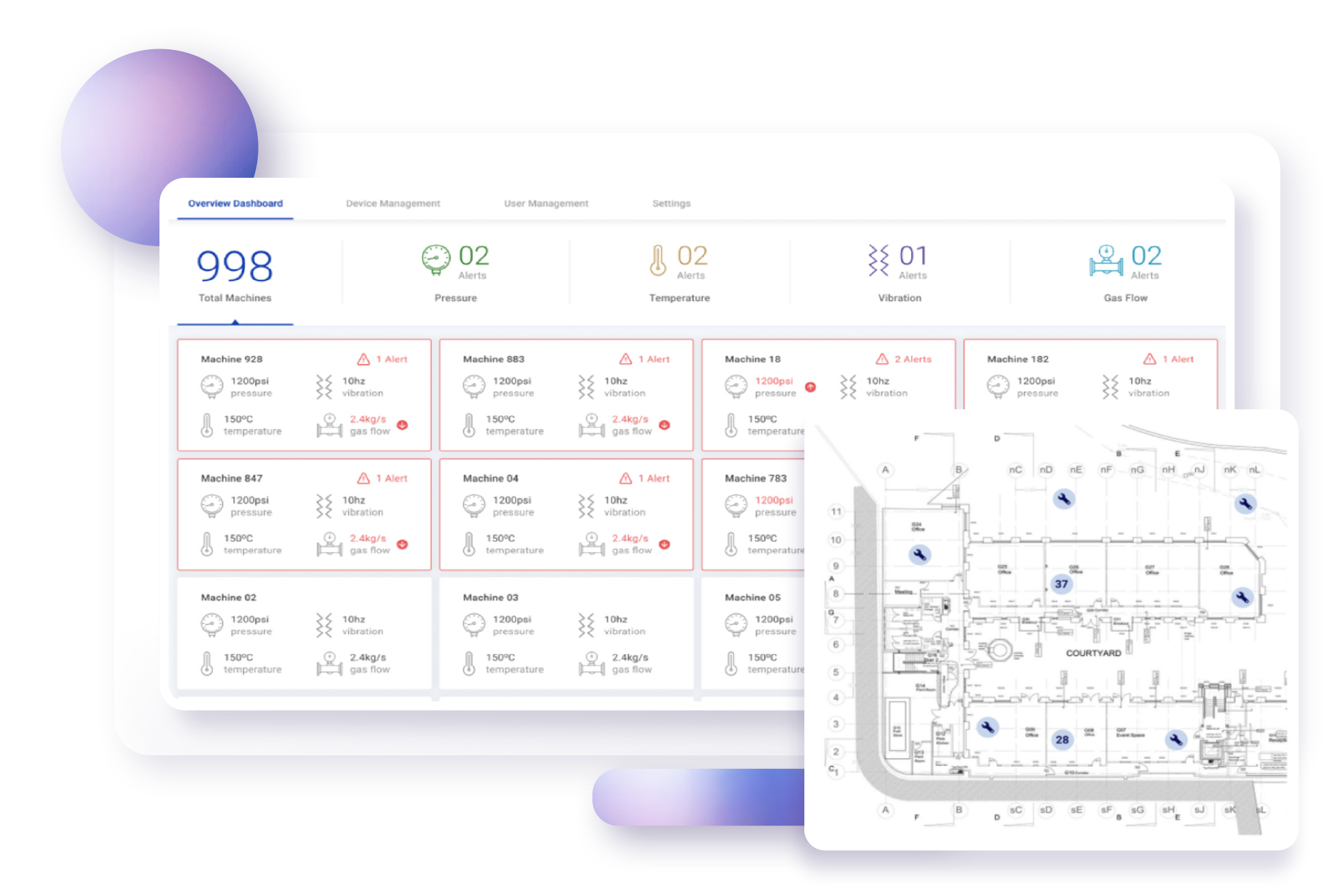
Asset Management and Condition Monitoring
At the core of digital asset management (DAM) software lies the ability to gather data from a variety of sources, such as sensors, RFID tags, and manual input. The software acts as a central repository for this information, ensuring it’s easily accessible and up-to-date. Once the data is collected, the asset management system employs advanced analytics to generate actionable insights.
Seamless integration with ERP, CRM, CMMS, and other business systems is crucial for IoT asset monitoring. This ensures that information about physical assets is readily available within the broader context of organizational operations.
The principles of DAM are the fundamental values and guidelines that govern the design and operation of the asset tracking software. They are obtained from the best practices and standards, such as ISO 55000, PAS 55, or IAM Framework.
Asset Management
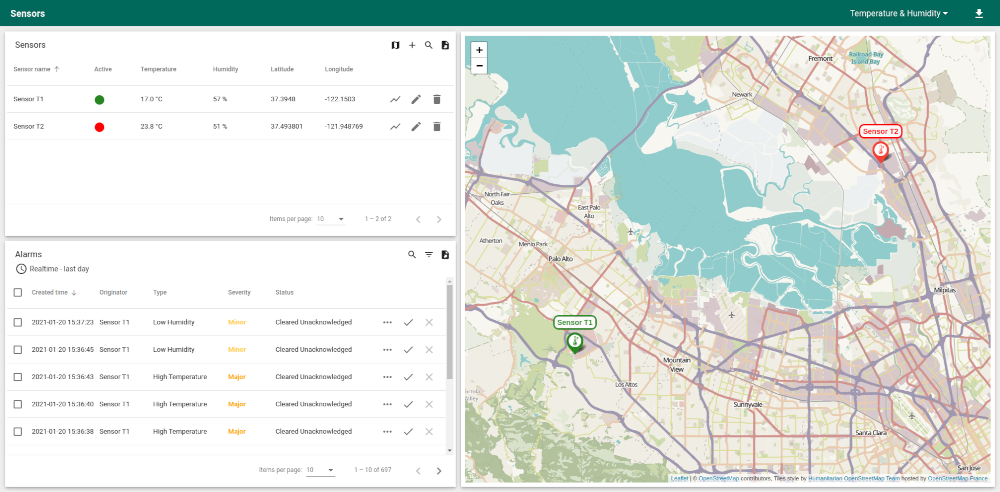
- Real-time-location tracking;
- Asset usage/utilisation tracking;
- Asset health monitoring;
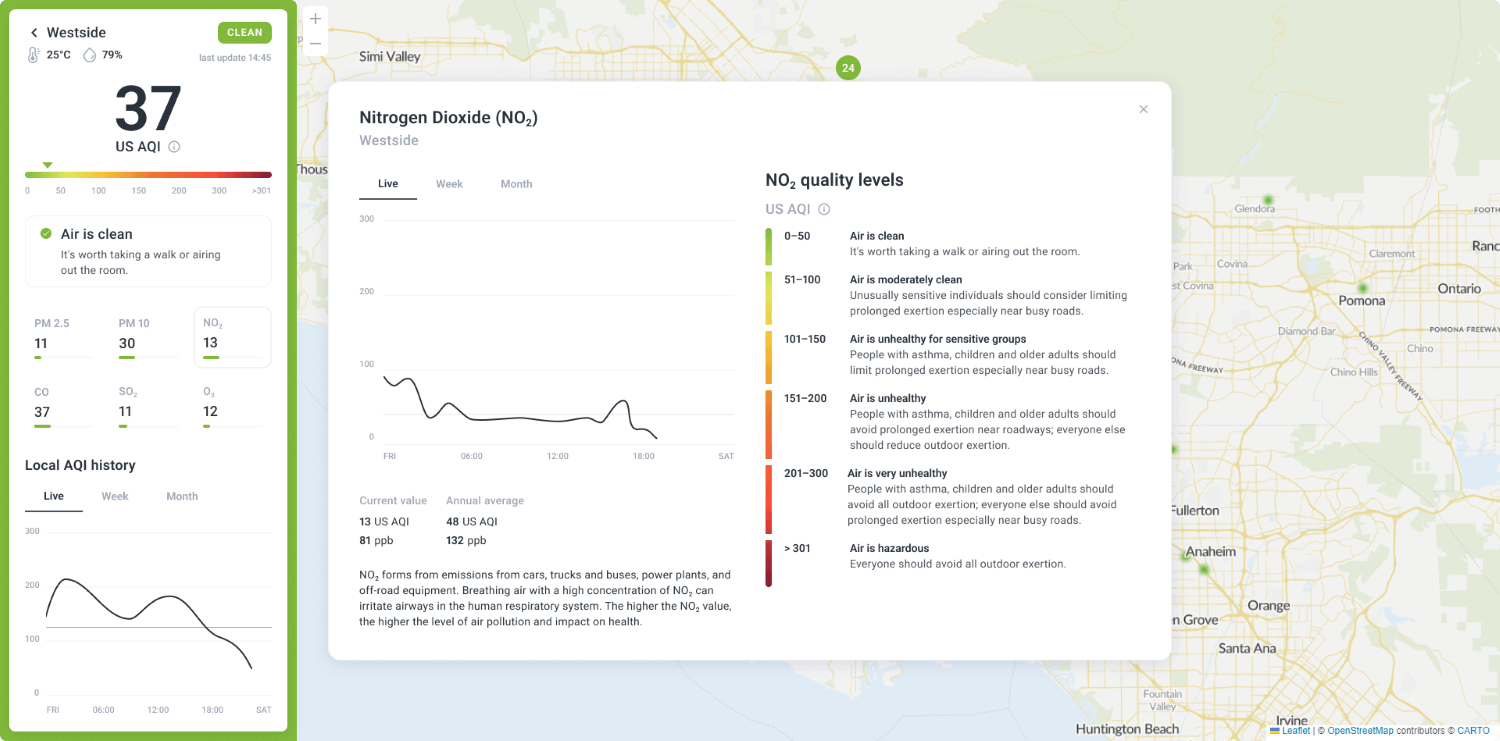
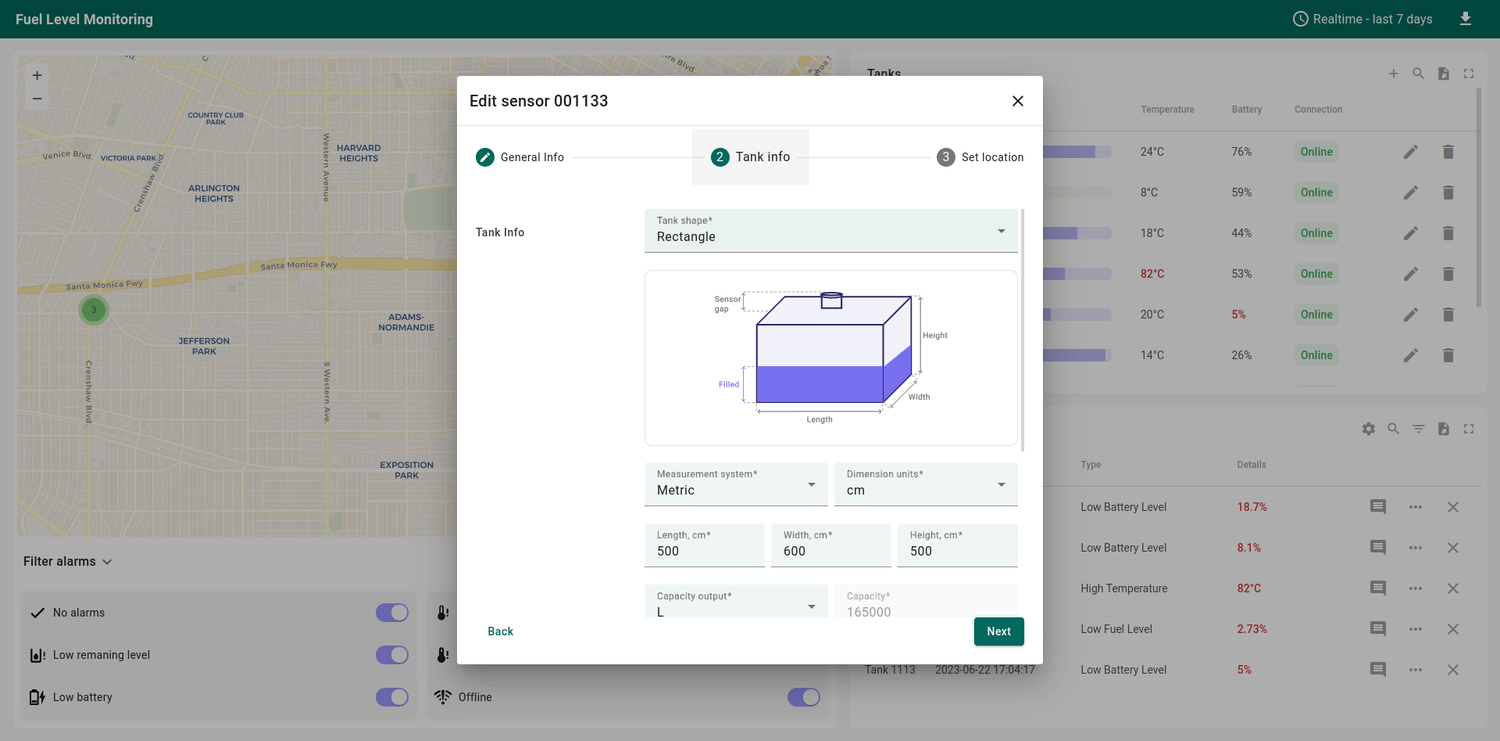
- Conditions monitoring;
- Remaining useful life (RUL);
- Predictive maintenance;
- Integration with ERP/CRM/CMMS;
- Alerting and notifications.