
Precision Agriculture
Irrigation Management | Indoor Greenhouse Management | Agriculture Commodity Monitoring | Farm Management | Crop Management
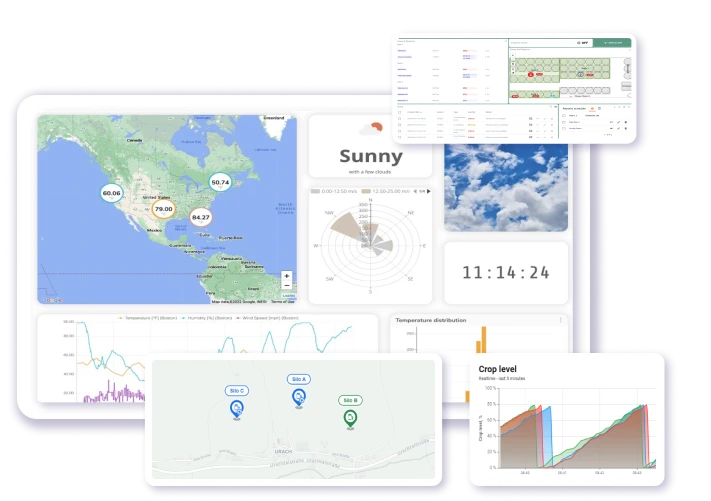
Data analytics and control features
Monitor and control Irrigation equipment (pumps, valves, pivots) based on a time-schedule, and/or volumetric controls
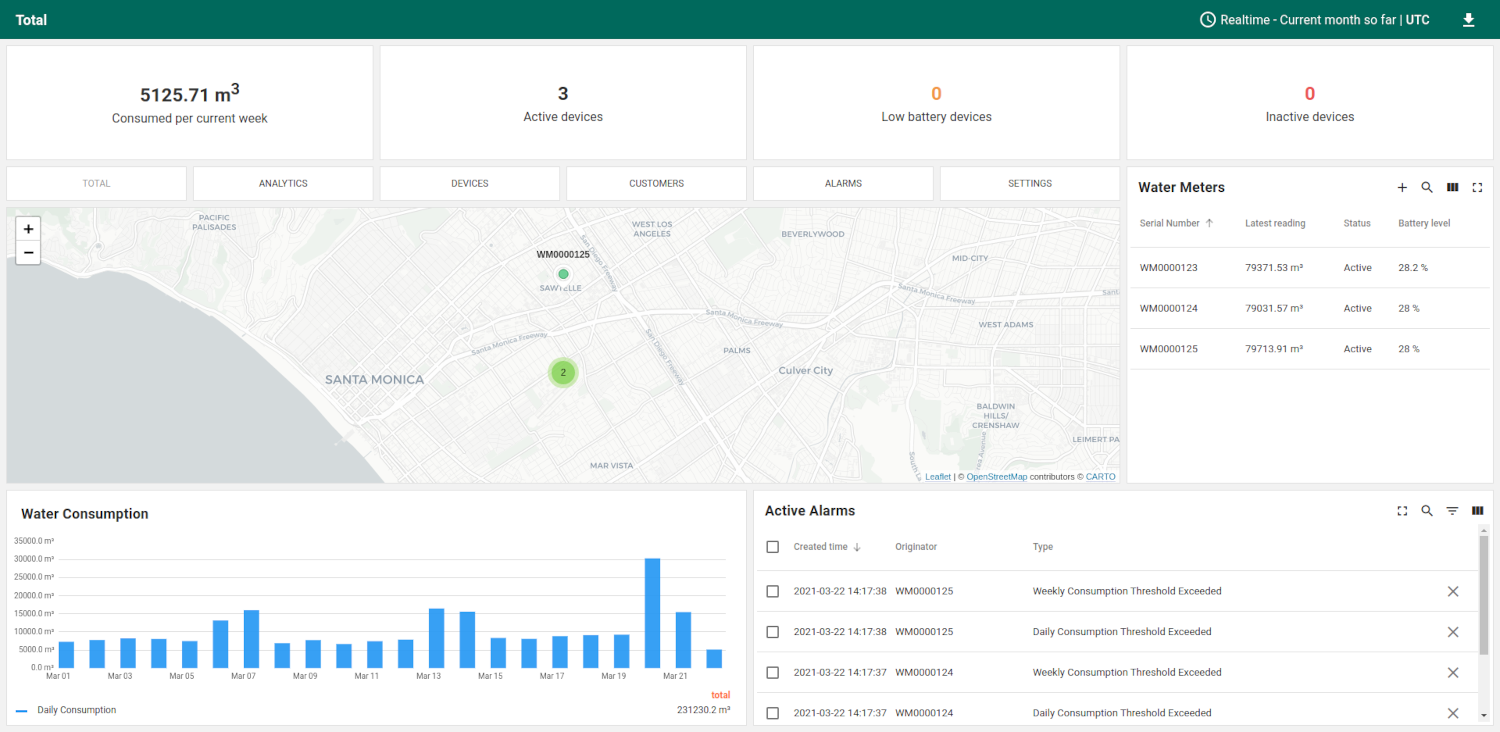
Monitor flow rates and totals to each field/irrigation zone
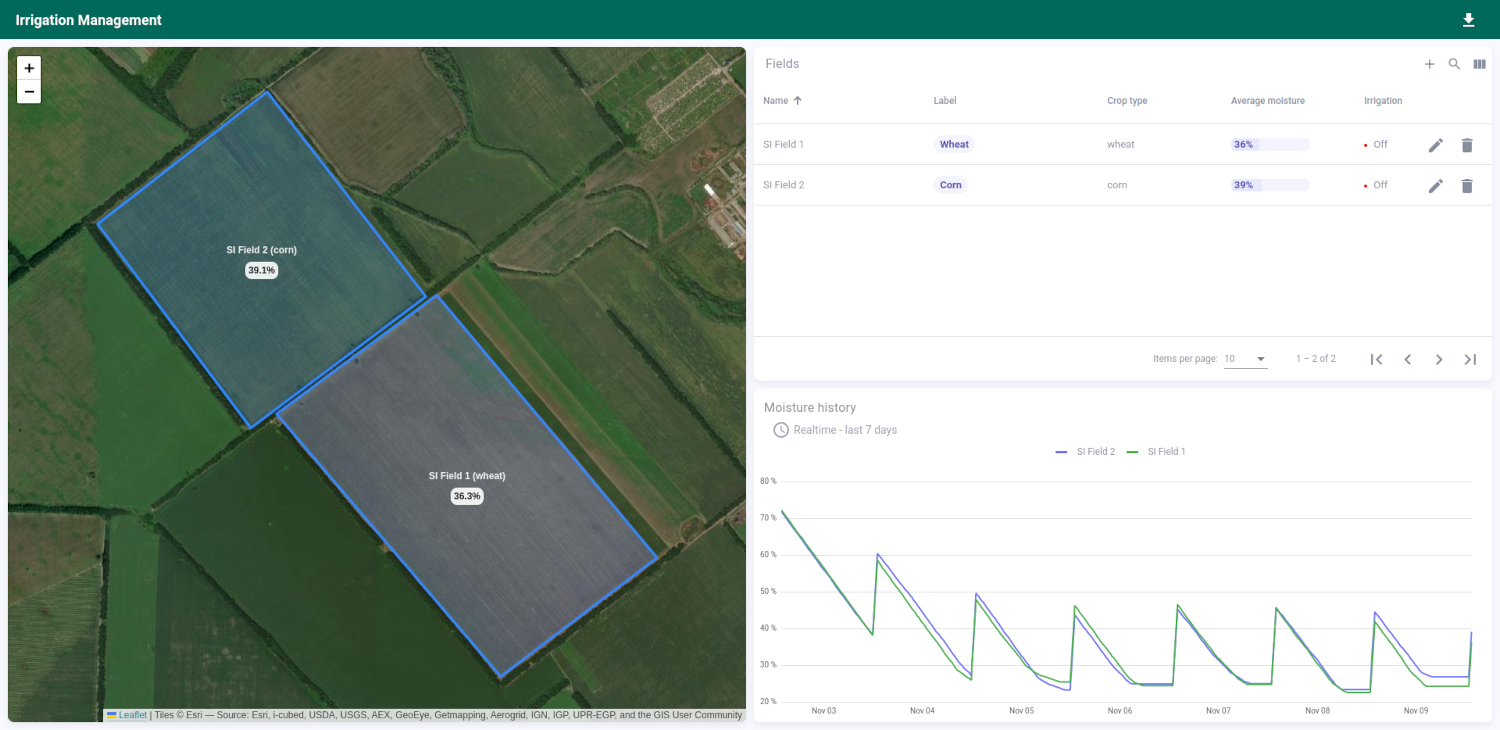
Monitor soil moisture at multiple depths
Monitor all liquid (water, fuel, fertiliser) levels in reservoirs, dams and tanks
Alarming on equipment fault conditions (valve fail to open, motor trip etc.)
Hierarchical asset model: Allocate sensors to zones/fields/greenhouses to correlate granular environmental data with crop outcomes.
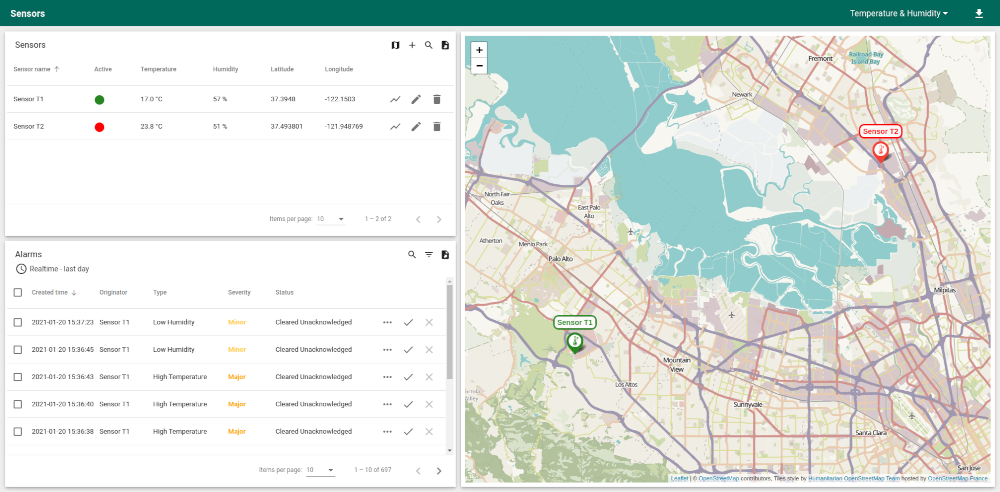
Monitor and historise climatic data: Moisture, temperature, humidity, CO2, vapour-pressure deficit (VPD) and light levels (PAR)
Real-time metrics of grain bunkers tonnage, and storage conditions
Monitor bin/silo level, temperature, moisture, CO2 and fumigant concentration.
Additional features
Reporting
What does it achieve?
Resource Optimisation
By accurately targeting the application of inputs, precision agriculture reduces waste and conserves resources, such as water and fertilisers, leading to cost savings.
Environmental Sustainability
Precision targeting reduces the environmental impact by minimising chemical runoff and preserving natural resources.
Improved Crop Health
Tailored management practices enhance plant health, increasing resistance to diseases and pests, and boosting yields
Yield Protection
Timely management of pests and diseases helps protect crop yields and ensures high-quality produce.
Precision Interventions
By accurately targeting the application of inputs, precision agriculture reduces waste and conserves resources, such as water and fertilisers, leading to cost savings.
Sensors
Soil Sensors
Embedded in the ground to provide real-time data on moisture, salinity, pH, and nutrient content. These sensors are connected to a network that transmits data to a central system.
Weather Sensors
Measure local weather conditions, including wind speed, temperature, solar radiation, and humidity. This data helps in forecasting and planning agricultural activities.
Spear Probes
These are used for multi-level temperature and moisture readings in grain bunkers/piles.
Level Monitoring
Monitor water tank, trough, or dam levels, to effectively manage resource availability and usage.
Flow Meters
Monitor instantaneous flow and aggregate consumption of water and fertiliser.
Relay Monitoring & Control
Monitor the run/on-off state of pumps, valves, or other legacy equipment.
RKT GNSS Positioning Sensors
(<10cm accuracy)
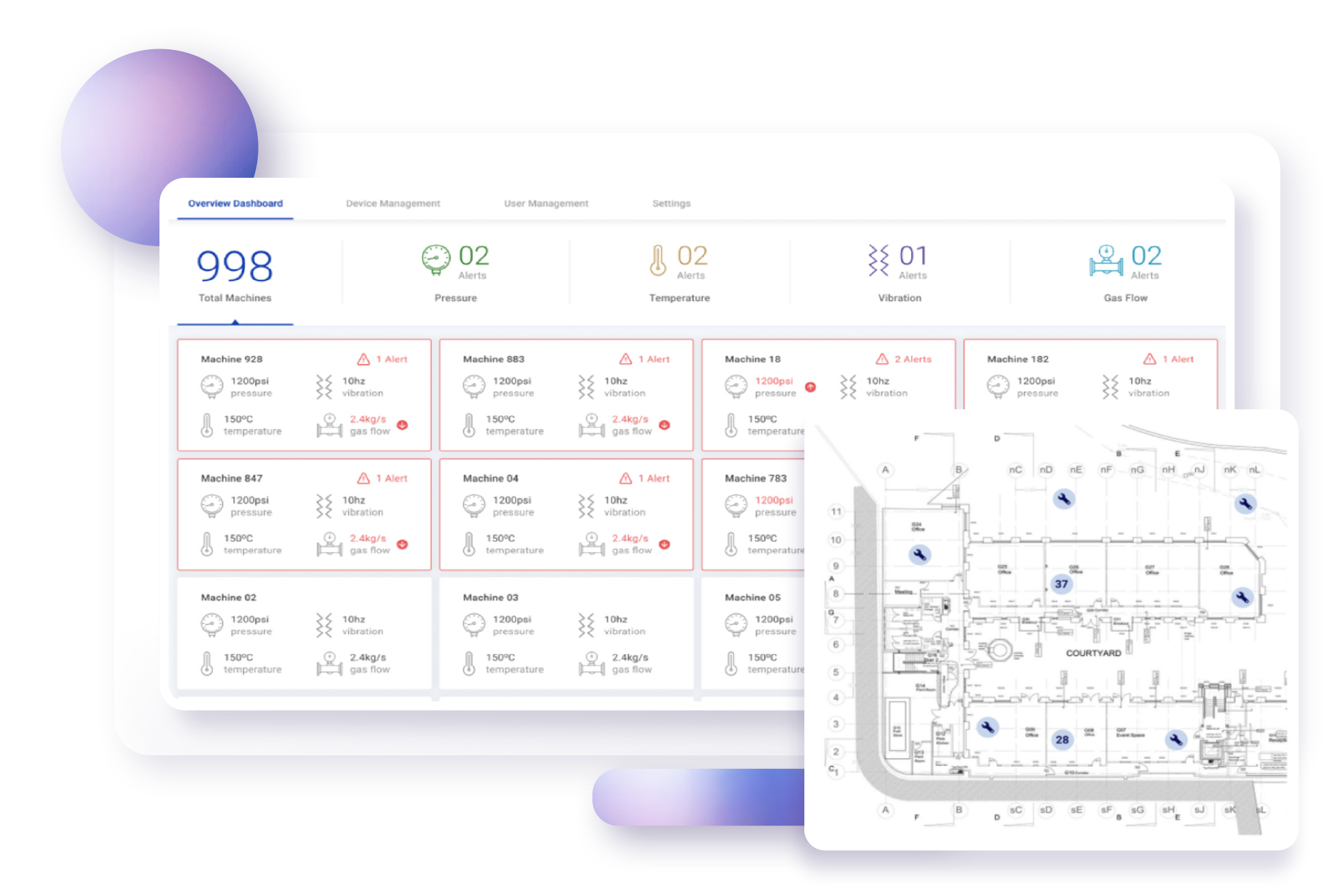

Utilise Machine Learning and AI
Machine Learning Algorithms
Train models using historical data to predict optimal planting schedules, irrigation times, and fertilisation plans. These models continuously learn and adjust based on new data.
Geospatial Analysis
Geographic Information Systems (GIS) are used to map and analyse spatial data, providing insights into field variability and crop performance across different areas.
Image Recognition
AI models trained to recognise patterns and anomalies in plant growth, such as discolouration or unusual shapes, which may indicate disease or nutrient deficiency.
Disease Prediction Models
Use data from multiple sources, including historical disease outbreaks and current environmental conditions, to predict disease spread and suggest preventive measures.
Environmental Monitoring
Sensors placed at strategic locations measure microclimatic conditions and soil parameters, providing data to models that predict crop needs and potential issues.
Integrated Pest Management (IPM)
Combines sensor data with AI to detect and manage pest populations, optimizing the use of biological control agents or pesticides.
Automated Irrigation Systems
Use AI recommendations to adjust water delivery based on real-time soil moisture data, weather forecasts, and crop needs.
Variable Rate Technology (VRT):
Adjusts the application rates of fertilisers and pesticides using GPS-guided equipment, ensuring precise input delivery across the field.
Customer Case Study
An established NexAI customer manages a complex water system that includes a 2.5 megaliter (ML) storage dam and 90 hectares (ha) of irrigated agricultural land. This system supports the processing of surplus water from their paper manufacturing facility. The client must maintain precise control over the dam levels to ensure adequate surge capacity for the manufacturing plant and to secure seasonal water availability for crop irrigation.
Use Cases

Get in touch
Got questions? Want a demo?
Contact us to learn how CapitalAI can modernise your industry.